
Attic Insulation · Joliet

Attic Insulation in Joliet That Holds Your Heat In

We seal and insulate your attic so heat stays put, and one call gets you on our schedule fast.

Free Quote

Free Attic Insulation quote.

We reply within 1 business hour. No spam, ever.

What we install

A Warmer Home and a Lower Heating Bill

Most Joliet homes lose heat through the attic first. Warm air rises, finds the gaps around the hatch and the light boxes, and slips into a cold attic all winter. Once the insulation up there thins out or packs down, your furnace runs longer and your rooms still feel drafty. On a hard Will County cold snap, that same heat loss melts the snow on your roof and feeds the ice dams along the eaves. We seal those leaks first with attic air sealing, then we build the insulation back to full depth so the heat stays where you paid to put it.

Good attic insulation is really two jobs, and we do both. First we crawl the attic and map where the air escapes, because loose insulation cannot stop a draft on its own. We seal the top plates, the wire holes, the plumbing stacks, and the gap around the chimney with the right material for each spot. Then we insulate. Depending on your attic we blow in a deep, even layer, or we spray foam against the roof deck to bring the whole space inside your home. We box out the hot spots first, like recessed lights and the attic hatch, so nothing gets buried that should breathe. When we leave, your attic reads one clean blanket from wall to wall.

  • We seal the attic air leaks first, so the new insulation actually works.
  • Deeper, even coverage keeps your furnace from running all through a Joliet winter.
  • A tighter attic slows the ice dams that form along cold Will County eaves.
  • Summer heat stays in the attic instead of soaking into your top floor.
  • We box out lights and the hatch so nothing gets buried or blocked.
Seal the attic right and the whole house feels warmer by the first cold Joliet night.

We work in Joliet and the towns around it every week, from Crest Hill and Lockport to Plainfield, Shorewood, and New Lenox. That means we know the housing here. We have crawled the low attics in older bungalows near downtown and the big trussed attics out in the newer subdivisions. We know how a Will County winter pushes on a roof, and we insulate for it. When you call, you reach our crew, not a call center. We show up when we say, we keep the mess off your floors, and we clean up before we go.

If your upstairs never quite warms up, the attic is the place to start. Call us and we will take a look, measure what you have, and lay out a clear plan. One call gets you on the schedule.

Materials

What We Put in Your Attic and Why

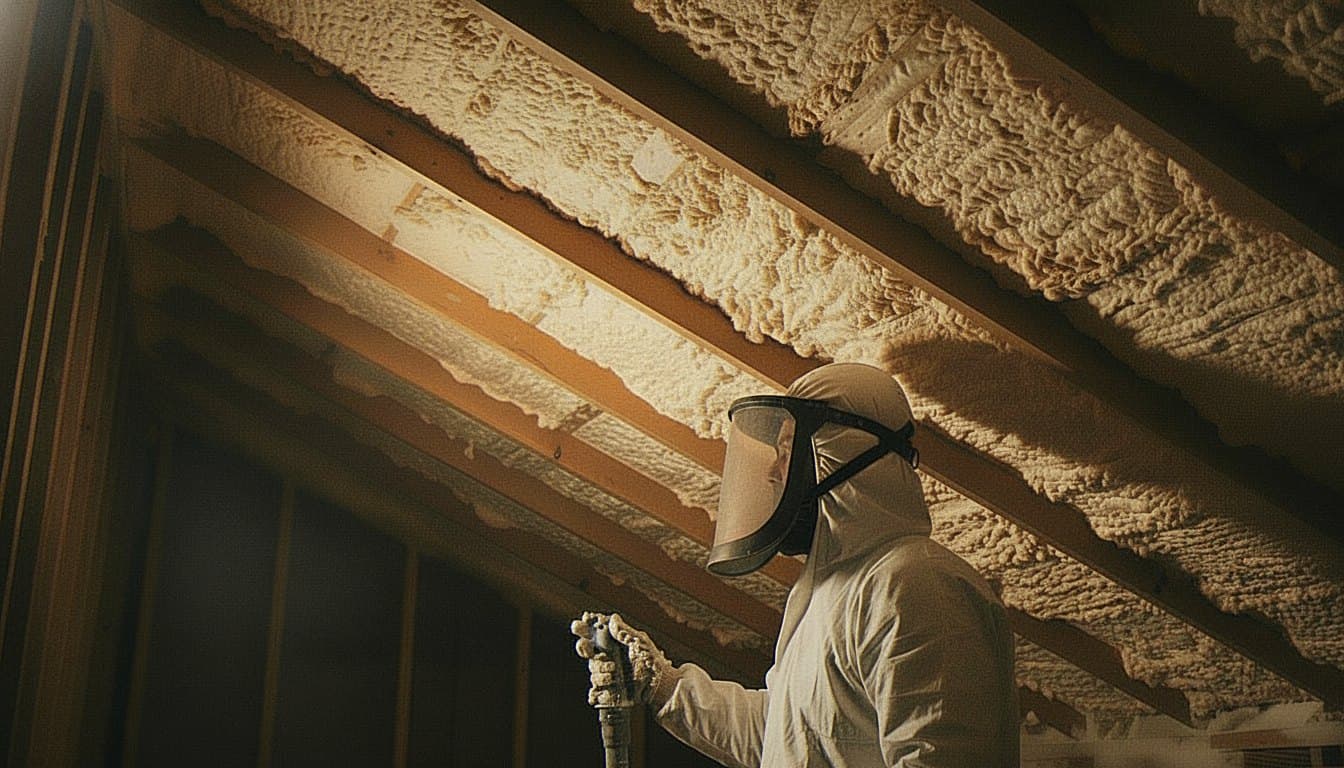
There is more than one way to insulate an attic, and the right pick depends on your home. Blown insulation is the workhorse for a flat attic floor. We blow it in loose so it fills every gap and settles into an even, deep layer over the ceiling. Loose fill made from cellulose packs in dense and does well against sound and cold, while blown fiberglass stays light and shrugs off moisture. For attics we want to bring fully inside, we turn to spray foam. Closed-cell foam seals and stiffens the roofline in one pass, and open-cell foam gives a softer, breathable seal for the right spot.

The material only earns its keep when the depth is right. Thin insulation, or insulation that has packed down over the years, barely slows the heat at all. We build the attic back to a full, modern depth so it hits the R-value your home needs for a Will County winter. We keep it clear of the soffit vents so the roof still breathes, and we set baffles where the air needs a lane. Do it this way and the attic works quietly for a long time. Cut the depth to save a day and you feel it on the next cold morning.

  • Blown insulation for a deep, even attic floor
  • Loose fill cellulose that packs in dense against the cold
  • Closed-cell spray foam to seal and stiffen the roofline
  • Open-cell foam for a softer, breathable seal
What about the alternatives?

Weighing Your Attic Insulation Options

Homeowners around Joliet ask how attic insulation stacks up against the other fixes for a cold upstairs. Here is our honest read on each.

Air seal, then insulate to full depth

Stop the leaks first, then lay a deep, even layer over the whole attic floor. It is the fix that actually holds the heat through a Joliet winter.

Recommended

Closed-cell foam at the roofline

Seals and insulates the roof deck in one pass and brings the attic inside your home. It costs more up front, yet it shines on tricky attics and hot summer decks.

Recommended

Add more blown insulation only

Piling fresh insulation over old works when the attic is already fairly tight. Skip the air sealing though, and the drafts underneath keep robbing you.

Acceptable

Batt insulation between the joists

Batts can work in a wide open attic, but they leave gaps around wires and boxes where heat sneaks through. A blown layer covers those gaps better.

Acceptable

A space heater upstairs

It warms one room for an hour and drives your power bill up. It does nothing about the heat pouring out through the ceiling.

Skip

Leaving the thin old insulation

Doing nothing feels cheap until the furnace runs all winter and ice dams build on the eaves. The attic keeps leaking heat every single day.

Skip
How it goes

From quote to walk-on, fast.

01

Your inquiry

Call or send the short form with what is going on at your place. A sentence or two is plenty for the first step.

02

We talk it through

We go over the situation on the phone, ask the questions that matter, and tell you what we would do next.

03

A clear plan

You get a plain-language rundown of the work, the order it happens in, and what to expect on the day.

04

The work gets done

Our crew shows up when we said, does the job, and walks you through the result before leaving.

Before you book

Straight Answers Before We Insulate

Attic work is easy to put off, so most folks call with the same handful of questions. Here is how we handle each one.

Do I need to remove the old insulation?
Usually not. If the old insulation is dry and clean, we air seal the attic and blow a fresh layer right on top to build the depth back up. When it is matted down, wet from an old leak, or full of pests, we clear it out first and start clean. We tell you which one your attic needs before we begin.
Will new insulation help in summer too?
Yes. In July a Joliet attic can climb far hotter than the air outside, and that heat presses down into your bedrooms. A deep, sealed attic slows that heat and keeps your top floor closer to the rest of the house. Your air conditioner gets a break at the same time.
How long does the job take?
Most attics are a one day job for our crew. We seal in the morning, insulate through the afternoon, and clean up before we leave. Bigger homes or a spray foam roofline can run into a second day, and we tell you that window up front.
Is the mess going to get into my house?
We keep it out. We run our hoses and gear through one path, lay down cover where we walk, and vacuum up at the end. The work stays in the attic, and your rooms look the same as when we got there, only warmer.
Will my attic still breathe after you seal it?
It will. We keep the soffit vents clear and set baffles so fresh air still moves under the roof deck. When we foam the roofline instead, we build the attic as a sealed space on purpose and vent it the right way. Either path is planned, not guessed.
How soon can you get to my street in Joliet?
It depends on the season, since fall books up fast once the cold hits. Call us and we will give you a real start window for your part of Joliet, not a vague someday. The sooner you call, the sooner your winter bills ease up.
Aftercare

Keeping Your Attic Working for Years

Attic insulation asks for almost nothing once it is in, which is part of why it is worth doing right. Still, a quick look now and then keeps it doing its job. Peek up there after a big storm to make sure nothing got wet, since a roof leak can flatten insulation fast. Keep the attic hatch shut and weather stripped so warm air stays below it. Watch for signs of pests, and clear anything you store up there off the fresh layer so it stays fluffy and deep. Handle those few small things and your attic keeps holding heat for a long stretch.

  • Check the attic for damp spots after a heavy storm
  • Keep the hatch shut and weather stripped tight
  • Do not press or stack boxes on the fresh insulation
  • Keep the soffit vents clear so the roof still breathes
  • Watch for pests that tunnel through and thin it out
  • Have us top it up if it settles over the years
FAQ

Attic Insulation Questions From Joliet Homeowners

What is the difference between open-cell and closed-cell spray foam?
Open-cell foam is light and soft, and it expands to fill cavities while doing a great job dampening sound inside interior walls. Closed-cell foam is a different animal. It is denser, it blocks moisture, and it adds rigidity, which is why we reach for it in crawl spaces and along rim joists. On most Joliet homes we match the foam to the spot.
Is spray foam insulation worth it for an older Joliet home?
Older homes around Joliet often leak air through dozens of small gaps the original builder never sealed, and those leaks add up fast. Spray foam insulation closes them. It holds indoor temperatures steady through the cold Will County winters, and most owners notice fewer drafts and a furnace that cycles far less once we finish.
How can spray foam insulation lower my energy bills?
Heat escapes fastest where air moves freely, and ordinary batts do little to stop that flow. Spray foam insulation seals the leaks and slows heat transfer, so your furnace and your air conditioner both run less to hold the exact same setting on the thermostat. That steadier load is where the savings come from.
Is spray foam insulation safe once it is fully cured?
Once it cures, the foam turns into a stable, inert solid that stays put in your walls and attic for the life of the building. Our crew handles ventilation and cure time during the install. When we leave, the space is ready for normal use, with no lingering odor and nothing there to attract pests.
Can you spray foam over my existing insulation, or does it need to come out first?
It depends. Old batts or blown insulation that is damp, moldy, or matted down should come out first so the foam can bond to a clean, dry surface and do its job. When the existing material is dry and sound, we can often add right over it, and we will tell you which path fits your home after we take a look.
Ready when you are

Let's make your next steps easier

Tell us what is going on at your Joliet home and we will walk you through the options. One call or one short form is all it takes.

Call (779) 242-2080Make your inquiry
CallContact us